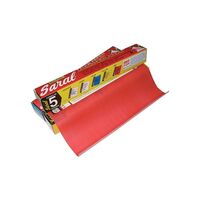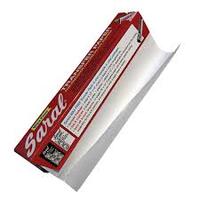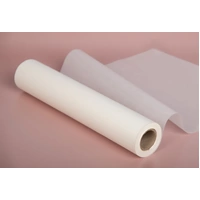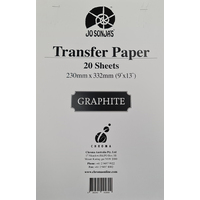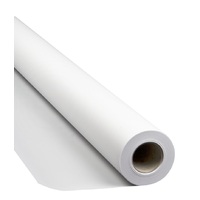
Tracing Paper & Transfer Paper
Oxlades Art Supplies is your ultimate destination for exploring the versatile world of transfer and tracing papers. Whether you're an artist, hobbyist, or professional, our range caters to all your creative needs. Dive into the details of each type and discover how to maximize your projects with these essential art tools.
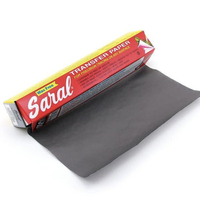
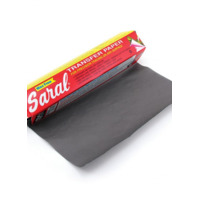
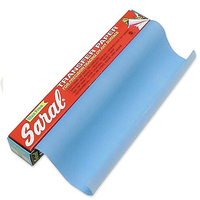
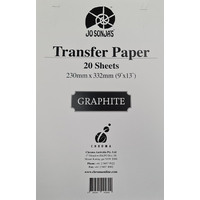
Transfer Paper
How to Use Transfer Papers
Transfer paper is a specialized type of paper designed to transfer printed or drawn images from one surface to another with the help of heat or pressure. It's commonly used in various arts, crafts, and textile projects.
To use this paper, start by selecting a high-quality image that you wish to transfer. Place the transfer paper between your image and the surface, with the coated (dull) side facing down. Using a stylus or another blunt object, trace over the image firmly to ensure the design transfers accurately. Remove the paper to reveal a perfect outline of your original design!
Step-by-Step Guide
1. Choose your image and a suitable transfer paper type for your material.
2. Secure the image on top of the transfer paper.
3. Trace the design thoroughly.
4. Gently lift both papers to check if the transfer is complete.
5. Retrace any missed parts if necessary.
Tips for Successful Transfer Paper Projects
For the best results in this type of projects, it's crucial to use high-resolution images to avoid pixelated prints. Before applying the design to the entire surface, test the transfer on a small, inconspicuous area to ensure accuracy and effectiveness. Prepare the material by cleaning and drying it thoroughly to enhance the adhesion of the transfer. When transferring the design, apply adequate pressure to avoid incomplete transfers, and be careful not to shift the papers during the process to prevent smudging. These steps help ensure that your project achieves a professional and polished finish.
Transfer papers are not just for artists but also DIY enthusiasts. Create custom t-shirts, decorate wood crafts, or even design your own canvas prints at home.
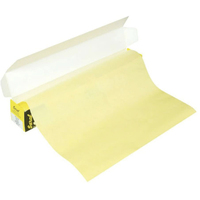
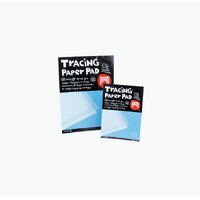
Tracing Paper
Tracing paper is invaluable across various disciplines, including architectural and engineering drawings, art and design projects, and more decorative pursuits like calligraphy, stained glass, and embroidery.
How to Use Tracing Paper
When using tracing paper, it's important to select the appropriate weight and transparency to suit your specific project needs. Use suitable drawing tools, such as pencils or fine-tipped pens, to ensure that your lines are sharp and clean. Experiment with different tools to find what best suits the texture and resistance of the tracing paper.
Carefully place the tracing paper over the original image and trace the design meticulously. Once you have your traced image, transfer it onto your final surface, which could be fabric, glass, or another type of paper. Following these steps will help you achieve precise and satisfactory results in your tracing projects.
Tips for Achieving Clean and Accurate Tracings
To ensure high-quality outcomes when tracing, it's essential to keep both the paper and the image securely in place to prevent any shifting. Use a sharp pencil or pen to create clear, precise lines and maintain fidelity in your reproductions. If you encounter wrinkles or bubbles in the tracing paper, gently flatten it under heavy books before starting your work. For tracing complex images, consider using a lightbox, which can significantly enhance visibility and detail accuracy, making it easier to achieve professional-level results in your tracing projects.
Explore the full potential of these versatile tools with our quality selection at Oxlades Art Supplies. Whether for professional applications or personal projects, transfer and tracing papers can revolutionize the way you work and create. Equip yourself with the best from our collection and let your creativity flourish!
FAQ's
How to transfer a drawing using tracing paper?
Transferring a drawing using tracing paper is a simple, effective method for replicating designs with precision. It’s perfect for artists, students, and crafters who want to move their sketches onto a clean sheet or final surface without redrawing everything from scratch.
Start by placing tracing paper over your original drawing and carefully tracing the lines with a pencil. A softer graphite pencil (like a 2B or 4B) works well for this step, as it transfers more easily later on.
Next, flip the tracing paper over so the traced side is face down against your new sheet of paper. Then, shade the entire backside of the tracing paper with soft graphite or charcoal, covering the area where your lines are. This creates a transfer layer.
Once the back is covered, flip the tracing paper back into place, line up your drawing, and begin tracing over your original lines again, this time using a harder graphite pencil (like an HB or 2H). As you trace, the pressure will transfer the graphite or charcoal from the underside onto your clean sheet, recreating your original drawing.
Lift the tracing paper and voilà! Your sketch has been transferred, ready for inking, painting, or refining.
Is tracing paper and baking paper the same thing?
No, tracing paper and baking paper may look similar, but they serve very different purposes and are not interchangeable for artistic work. Tracing paper is a translucent, smooth-surfaced paper specifically manufactured for drawing, design, and light transfer tasks. It allows light to pass through clearly, which is why it's perfect for copying or layering artwork. Baking paper, or parchment paper, is designed for high heat and moisture resistance, primarily used in cooking, and has a waxy or silicone coating that makes it unsuitable for drawing or tracing. Using baking paper in place of tracing paper can result in smudging, poor transfer, and frustration.
What does tracing paper do?
Tracing paper is a lightweight, semi-transparent paper specifically designed to allow light to pass through it. Its low opacity makes it ideal for copying images, layouts, and designs by placing it over another surface and tracing the visible lines beneath. This unique characteristic makes tracing paper an essential tool for artists, illustrators, designers, students, and architects, offering a clean and efficient way to replicate or refine drawings without redrawing from scratch.
Originally developed for architects and design engineers, modern tracing paper played a crucial role in technical drafting. Its smooth surface and high clarity allow detailed lines to be traced accurately and cleanly, making it a professional-grade material in both artistic and technical contexts.
In creative spaces, tracing paper is used to experiment with composition, test layering techniques, transfer drawings onto final surfaces, and even assist in calligraphy or stencil design. It's perfect for developing complex artworks, planning murals, or preparing sketches for painting.